
US-Iran Military Escalation Pushes Oil to 6-Week High Amid Tanker Strikes
Key Facts
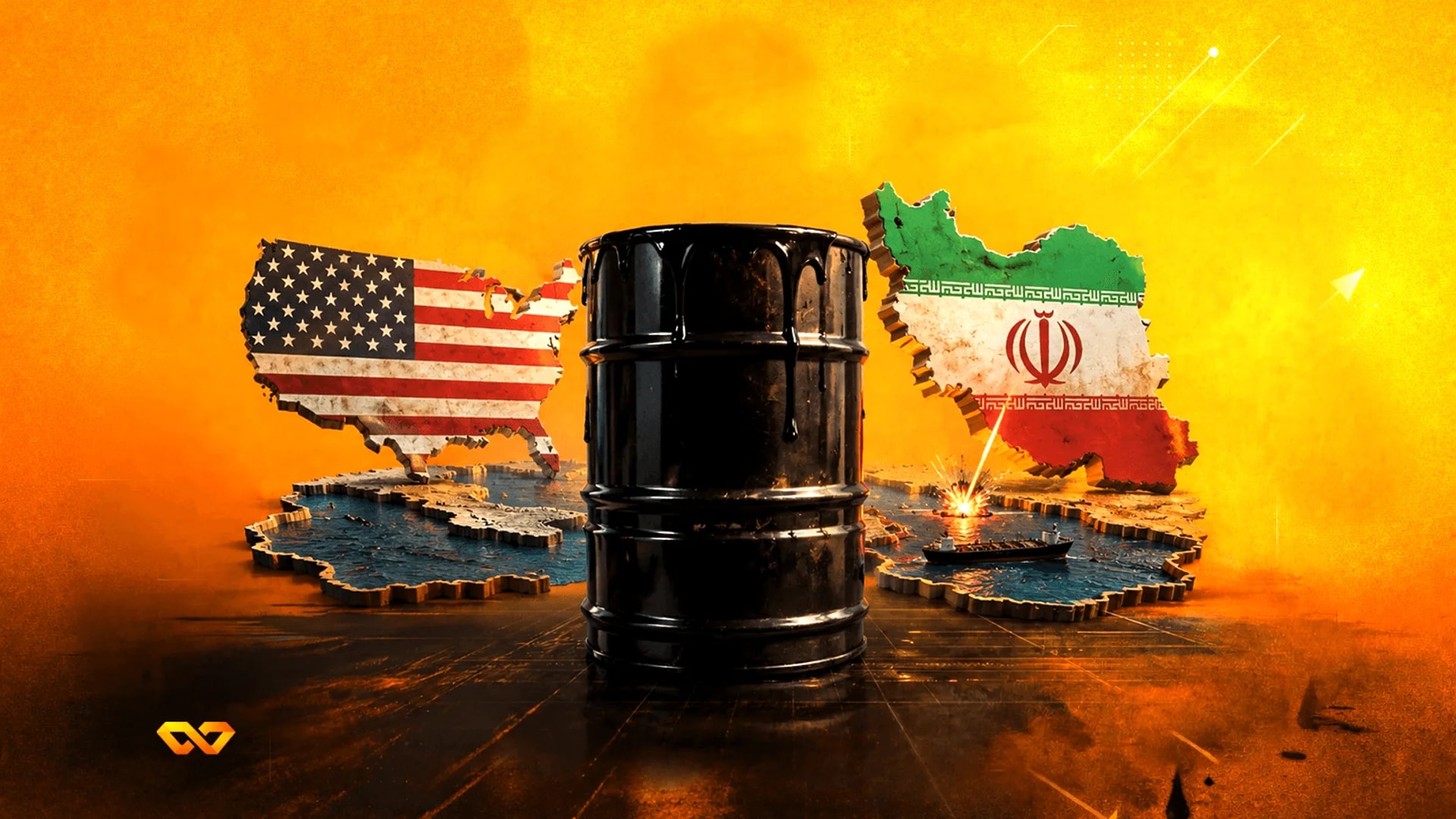
In a move reflecting a significant shift in US deterrence policy, American forces launched strikes against Iranian state tankers and IRGC military sites, driving oil prices to a near six-week high. These operations, which targeted approximately 100 locations including air defense and naval facilities, were conducted in response to attempted attacks on shipping in the Strait of Hormuz. President Donald Trump stated he is in no rush to negotiate with Tehran, framing the current pressure campaign as advantageous given the collapsing state of the Iranian economy.
This geopolitical escalation triggered a sharp selloff across Asian equity markets, as sentiment was pressured by rising energy costs and fears of supply disruptions. Per market data, these developments coincided with a hawkish tone from regional central banks, with the Reserve Bank of New Zealand (RBNZ) raising interest rates to combat energy-driven inflation. US officials indicated that the strikes have degraded Iran's attack capabilities, potentially securing a temporary window of lower threat levels for commercial maritime activities.
Looking ahead, oil and commodity prices remain under intense scrutiny as military hostilities continue without signs of a ceasefire. Market participants will also monitor speeches from central bank officials, including the Fed's Barkin, to assess how energy price shocks might influence global monetary policy trajectories.