
Saudi Arabia accuses Iran of targeting tanker Sidr
Key Facts
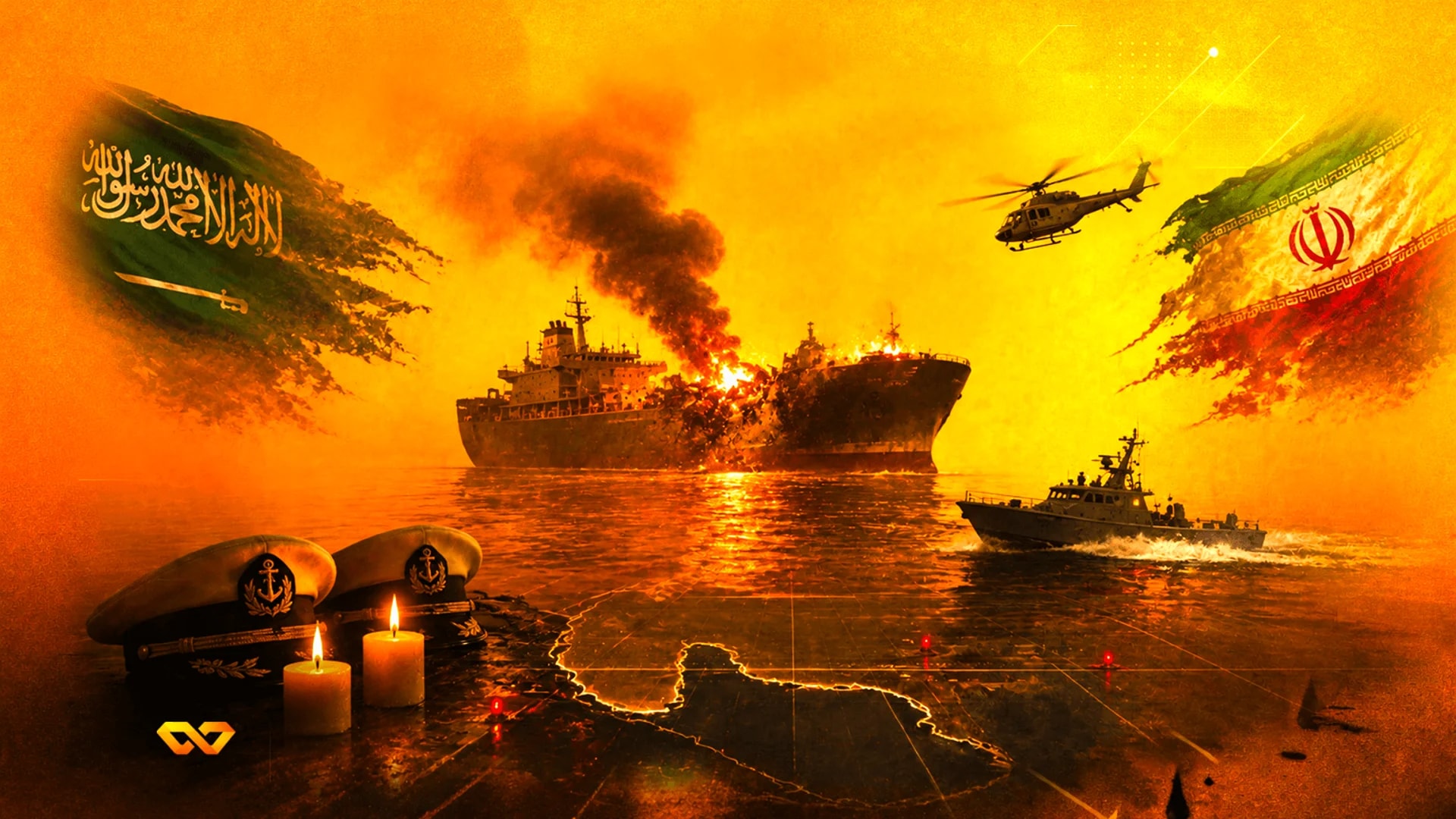
Saudi Arabia's foreign ministry accused Iran on September 2, 2026, of targeting the Saudi oil tanker Sidr during its passage through the Strait of Hormuz. The incident occurred on August 31, not on the day the accusation was issued, and the vessel was owned by Bahri. The International Maritime Organization's register confirmed two seafarer deaths in the incident, 17 nautical miles east of Khasab, Oman. Bahri said the deceased were Filipino, according to reporting of its statement, while Iran's identification as the attacker remains a Saudi accusation rather than an independent finding of the maritime register.
IMO's register provides documentation separate from government statements. It records vessel damage and no pollution as of September 2. It does not name an attacker or determine responsibility. That distinction matters: confirming the human losses does not automatically give every political or military interpretation of the incident the same evidentiary status.
Saudi Arabia's response combined the accusation with calls for de-escalation and a return to negotiations. Its foreign ministry emphasized safe international navigation and protection of energy supplies, connecting vessel security with the continuation of trade. On September 2, the UAE condemned what it described as an Iranian attack on Sidr and expressed solidarity with Saudi Arabia and support for navigational security. These statements establish the governments' positions and diplomatic response, but do not replace an investigation into how the attack was carried out and by whom.
Hormuz matters beyond oil cargoes, as a significant share of liquefied natural gas trade also passes through it. EIA estimates average oil flows of 20.9 million barrels a day in the first half of 2025, while the passage accounted for more than 20% of global LNG trade. Those historical figures show the scale of the interests tied to safe passage, but do not measure September 2026 traffic or volumes disrupted by Sidr. Confirmed human losses must therefore be distinguished from estimates of supply effects: this incident record does not quantify any reduction in oil reaching the market. For broader context, see EL7's coverage of regional escalation and oil prices.