
Brent Settles at $101.21 as US-Iran Attacks Escalate
Key Facts
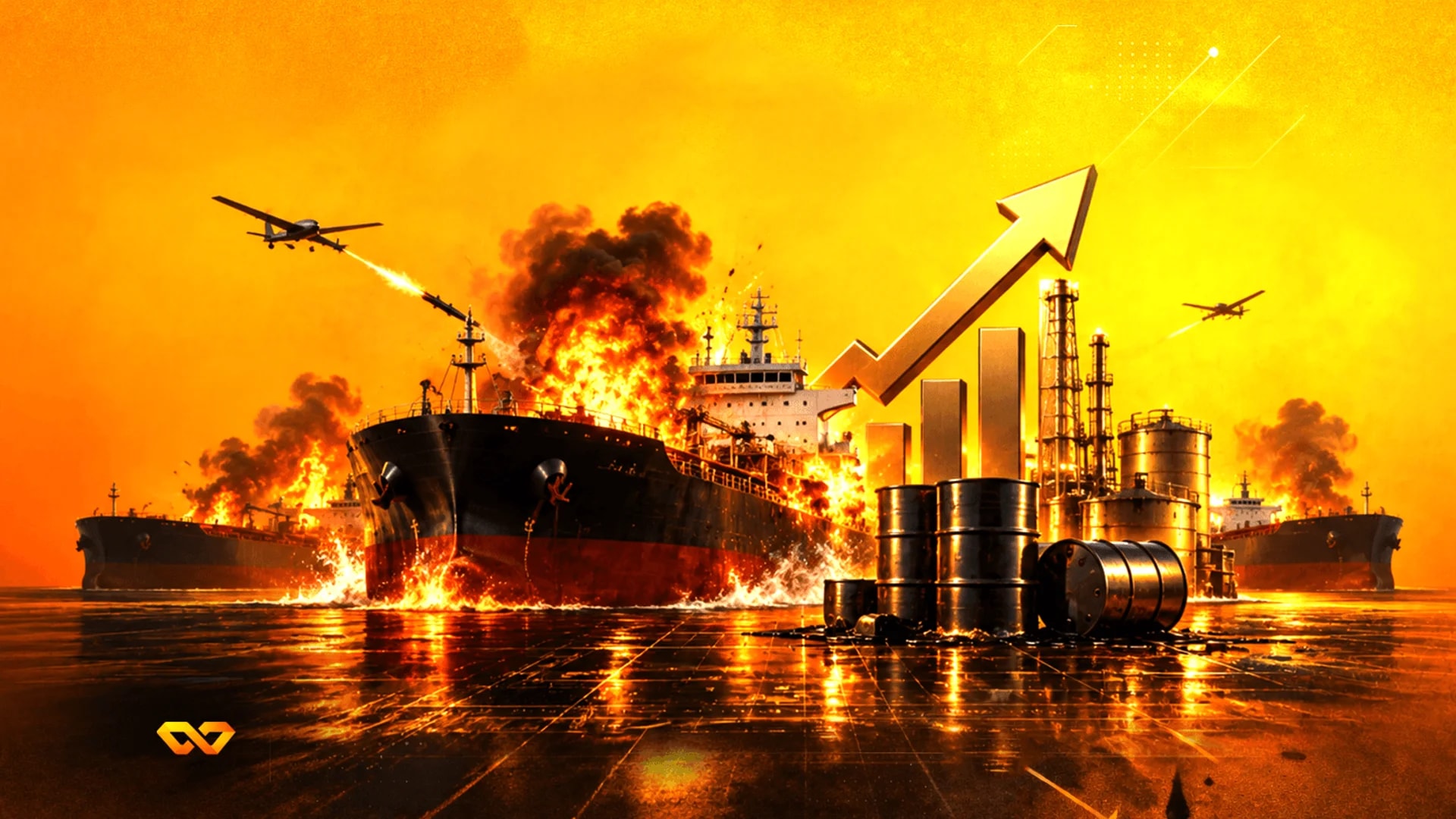
Brent crude settled at $101.21 a barrel on Wednesday after topping $100 for the first time since July, as U.S.-Iran attacks escalated around oil infrastructure and Gulf shipping routes. The benchmark gained more than 3% during the session, reflecting a wider supply-risk premium.
U.S. Central Command said its forces destroyed 5 Iranian crude oil carriers on September 8 after missile attacks that the U.S. military said targeted a warship. It said the vessel evaded the attacks and no American personnel were harmed. This remains an official account from one side to the conflict.
Iranian state media, meanwhile, said Iran's Revolutionary Guards targeted 2 U.S. vessels and 8 oil tankers in retaliation for the American strikes. The full target list was not independently confirmed, and U.S. Central Command denied that any United States warship was hit; the Iranian account therefore remains contested.
The market is sensitive because of the Strait of Hormuz's importance to global supply. EIA estimates that 20.9 million barrels a day moved through the strait in the first half of 2025, equal to about 20% of global petroleum-liquids consumption and 25% of seaborne oil trade. Saudi and United Arab Emirates pipelines can bypass only about 4.7 million barrels a day.
In U.S. market fundamentals, EIA's September 2 report showed commercial crude inventories excluding the Strategic Petroleum Reserve fell 4.5 million barrels in the week ended August 28. Total commercial petroleum inventories fell 3.0 million barrels, correcting the earlier description of the crude draw as a decline in overall petroleum stocks.
The risk premium will depend on whether attacks and threats produce sustained physical disruption to flows through Hormuz. Critical indicators include verified vessel movements, confirmed damage and producers' ability to use alternative routes. Disruption at a major oil chokepoint can delay supplies and raise shipping costs and global energy prices.
Latest Updates · 1
- Major·
Update: The regional conflict has escalated further as U.S. forces reported the destruction of five Iranian oil tankers in retaliatory strikes. Simultaneously, Houthi forces targeted Saudi Arabian cities and oil facilities, significantly raising the risk of supply disruptions from the region's largest crude exporter and keeping markets on high alert.