
Iran changed ship-targeting tactics about 10 days ago to lift oil prices ahead of elections
Key Facts
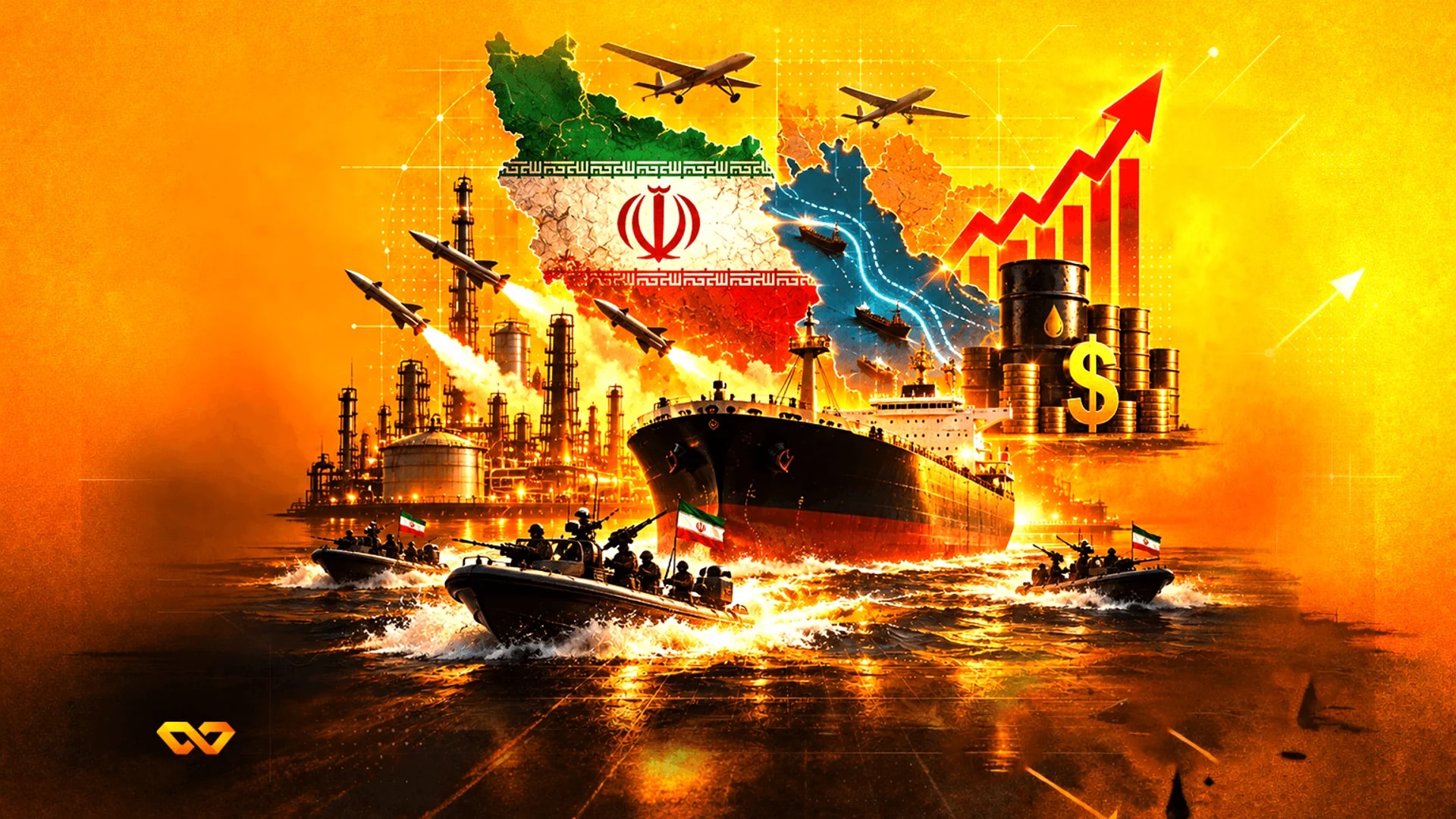
Two senior Iranian officials told Reuters that Tehran is using new tactics to target ships, aiming to keep oil prices high and influence the U.S. midterm elections. One official said the change in tactics began about 10 days before he spoke to the agency and had led to increased attacks on vessels Iran considers in breach of its restrictions. According to the officials, the strategy was adopted at the highest levels of Iran's leadership, in coordination across the country's power structure. The plan, they said, aims to use pressure on shipping and energy prices to influence the U.S. elections. Neither Iran's foreign ministry nor the U.S. Department of Defense immediately responded to Reuters' requests for comment.
The new tactics include using unarmed spotters aboard small boats to identify potential targets, according to a U.S. military official who spoke on condition of anonymity and was quoted by Reuters. The official said potential targets identified by the spotters include U.S. warships. He recounted that U.S. forces intercepted a sailboat being used by spotters to report maritime targets to the Revolutionary Guards. He added that the forces evacuated the boat before destroying it, describing the incident as part of his account of the spotters' activities. On the outcome of the boat's interception and destruction, the official said: "There were no casualties."
The threat level facing commercial vessels in the Strait of Hormuz remained "severe", according to the latest report from the U.S. Navy-led Joint Maritime Information Center, cited by Reuters. The continuing threat of attacks complicates the restoration of normal shipping traffic through the passage, according to the agency's report. High shipping and insurance costs facing maritime transport add to the difficulty of returning traffic to normal. Meanwhile, Washington continues to impose a naval blockade on Iranian ports and expand sanctions on Tehran. The United States is using both measures to pressure Iran into reaching an agreement to end the conflict, according to Reuters.
The passage's importance is underscored by the volume of oil moving through it: shipments of crude and petroleum products through the Strait of Hormuz averaged 20 million barrels a day in 2025, according to the International Energy Agency. By comparison, the agency estimates available alternative export capacity via routes through Saudi Arabia and the United Arab Emirates that bypass the strait at about 3.5 to 5.5 million barrels a day. That estimate covers available capacity on routes bypassing Hormuz, according to the agency's fact sheet updated in February 2026. The agency warns that a prolonged disruption of the strait could cut off most of the world's spare production capacity. Most of that spare capacity is concentrated in Saudi Arabia, linking its availability to the continued ability to export oil.
In oil markets, Brent futures closed the October 13 session at $105.69 a barrel, according to Reuters. The contracts fell 0.9% from Monday's session. In the same session, West Texas Intermediate crude futures moved in the opposite direction, rising 0.4%. They settled at $94.14 a barrel, as the two benchmarks diverged during that session. On living costs, Investing.com reported that rising energy prices were fueling inflationary pressures around the world amid tensions surrounding shipping and oil supplies.
The U.S. Energy Information Administration had forecast in its October report, issued before the news, that the Brent spot price would average $105 a barrel in the final quarter of 2026. That estimate is $14 a barrel higher than the administration's forecast the previous month. Regarding upcoming maritime operations, the Iranian officials said their scope would expand to include the Gulf of Oman and waters beyond the Strait of Hormuz. The U.S. general elections that the Iranian officials seek to influence will be held on November 3, 2026, according to the Federal Election Commission's schedule. After the vote, the U.S. Energy Information Administration will release its next Short-Term Energy Outlook on November 10, 2026.