
STRK loses 46.7% in a week amid poll exploring Starknet independence
Key Facts
Starknet's STRK token posted a weekly loss of 46.7%, according to Cointelegraph's roundup published on October 18, amid a community vote on exploring a transition to an independent Layer 1 blockchain. The network's governance forum is putting the idea to a non-binding poll limited to exploring this path. The Block reported in its October 15 coverage that participating voting power stood at 177.6 million STRK at the time of its report. Supporters accounted for 99.91% of participating voting power in that snapshot during the poll. The vote addresses the possibility of network independence alongside the adoption of quantum-resistant cryptography, with approval leading to research and the preparation of further proposals.
Starknet currently operates as a decentralized scaling network on top of Ethereum, according to the description on its official governance website. The network was designed to scale Ethereum while retaining its security and decentralization, providing the framework for the independence debate. Regarding the token used within the network, the proposal stipulates that STRK would remain regardless of the path chosen. It states: "STRK is the token, and there will be no new token." The proposal also stipulates that bridges from Ethereum to Starknet would remain open, including continued connectivity under the path being discussed.
The technical architecture of STARK proofs relies on hash functions, according to an explanation published by StarkWare's quantum computing hub. This foundation differs from the elliptic-curve assumptions threatened by Shor's algorithm, according to the hub. The proposal places quantum resistance within the exploration of the network's future as an independent blockchain. As for bridges and messaging, StarkWare's technical transition roadmap ties changes to them to Ethereum's own transition to quantum-resistant cryptography. The roadmap states that "bridge and messaging changes depend on Ethereum's transition."
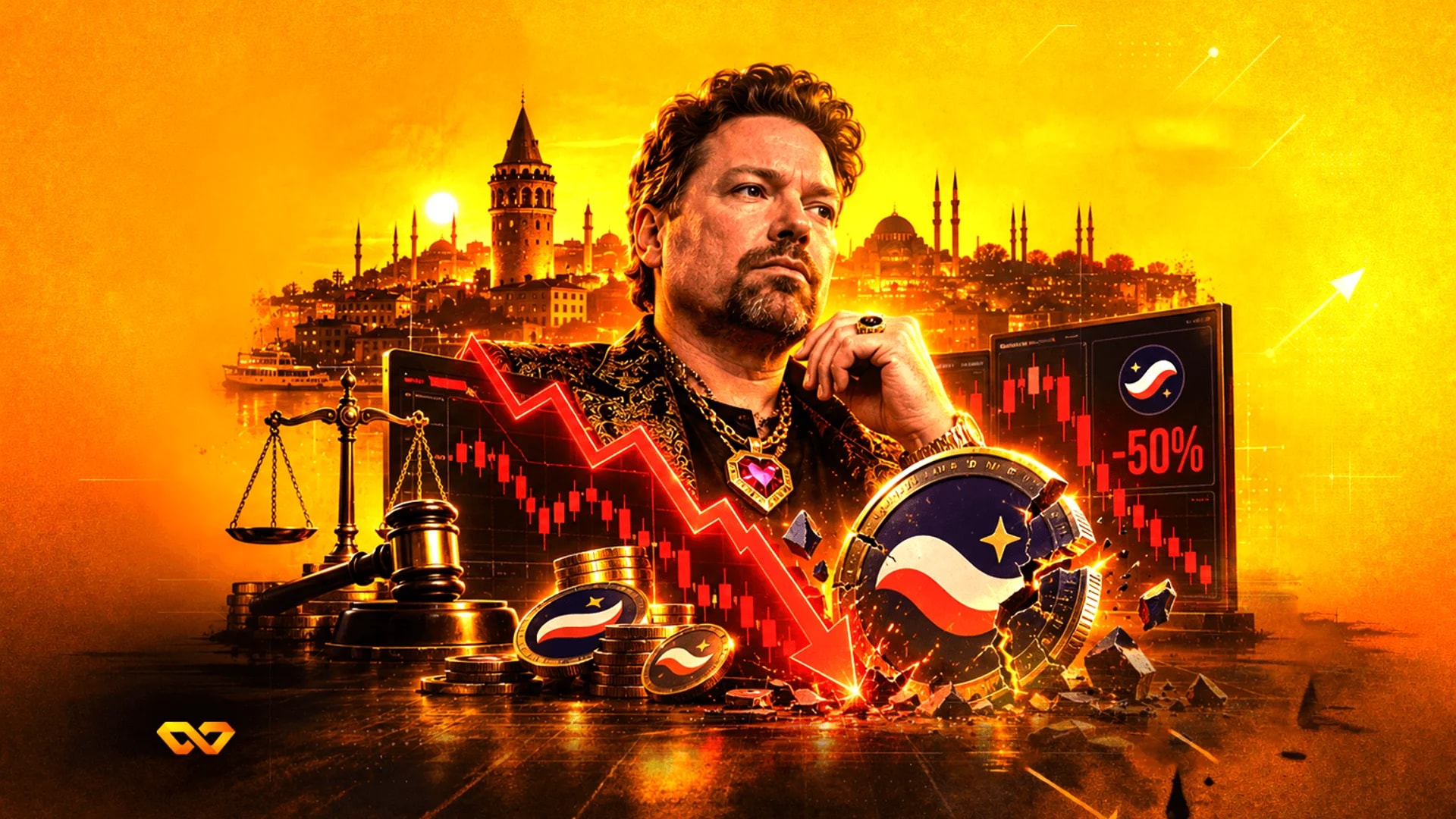
In a separate development involving the HEX project, Turkish authorities detained Richard Schueler, known as Richard Heart, and his wife during an operation in Istanbul's Besiktas district on October 14, 2026. CNBC-e reported details of the operation, citing Turkey's justice minister. Heart is the founder of HEX, whose market capitalization declined during the week covered by Cointelegraph's roundup published on October 18. Market capitalization stood at $561 million at the start of the comparison, according to the roundup. It then fell to $315 million during the same week, which saw the project's founder detained in Turkey.
The red notice for Heart dates to December 2024, when it was issued at Finland's request, according to The Block. Interpol defines a red notice as "an international alert concerning a wanted person, but it is not an arrest warrant." In the United States, the Securities and Exchange Commission's lawsuit against him was dismissed in February 2025 on jurisdictional grounds, and the agency later decided not to pursue the case, according to The Block. In the subsequently dismissed lawsuit, the agency had alleged that Heart and the PulseChain project misappropriated at least $12 million in offering proceeds to buy luxury goods. Providing historical context for HEX's performance, Reuters cited the agency in a report published in July 2023 as saying the token's price had fallen more than 98% from its peak by June 30 of that year.
As for the next step in the Starknet poll covered in the October 15 report, the governance proposal sets the voting period at 7 days. It stipulates that results will be displayed immediately after voting closes. If the approval option wins, research into the idea of independence will begin, according to The Block. The next phase includes preparing further proposals to present and develop the details of the idea. The proposal did not set a timetable for a transition to an independent network.