
Australian Inflation Rises to 4.3% in September, Rate-Hike Odds Reach 85%
Key Facts
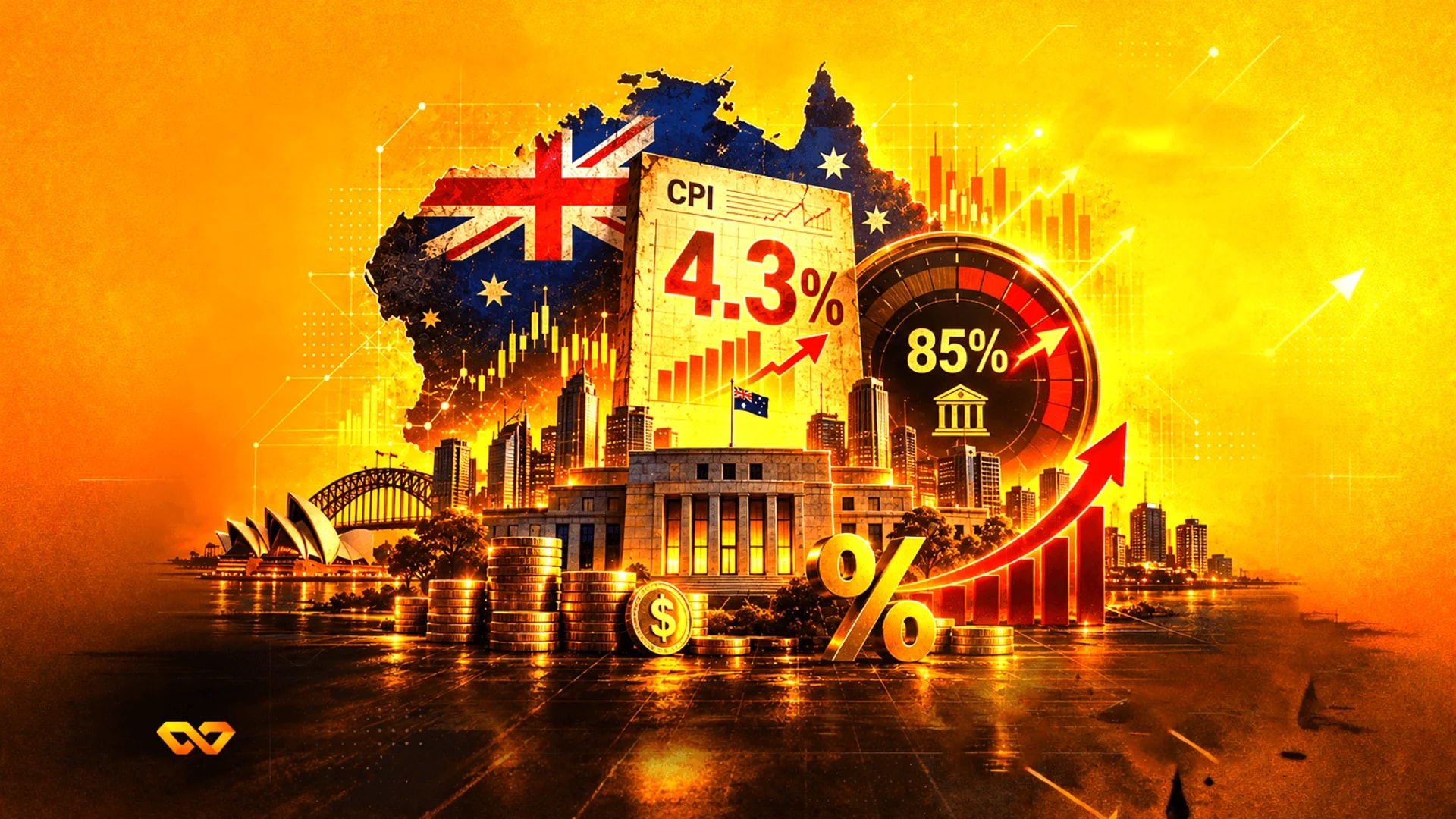
Australia’s consumer price index rose 4.3% in the 12 months to September 2026, from 4.0% in August, in a reading that adds to pressure on the Reserve Bank of Australia ahead of its next meeting. The index increased 0.8% in September on an unadjusted basis and 0.6% after seasonal adjustment, according to the Australian Bureau of Statistics. On a quarterly basis, the index rose 1.3% in the September quarter, after a 0.6% increase in the June quarter, and annual inflation calculated on a quarterly basis reached 3.9%, according to Reuters. The quarterly trimmed mean, a measure of underlying inflation, increased 1.0% for the quarter, matching economists’ expectations but exceeding the central bank’s 0.8% estimate.
The statistics bureau’s data showed the monthly trimmed mean rose 0.3% in September, taking its annual rate to 3.6%, up from 3.5% in August after the previous month’s reading was revised down from 3.6%. Headline annual inflation reached 4.3% in September, compared with 3.6% in September 2025, according to the published data series for the year. Transport prices recorded the largest increase among the components listed, rising 8.7% annually, compared with 5.2% for housing and 3.2% for food and non-alcoholic beverages. Housing contributed 1.1415 percentage points to annual inflation, compared with 0.9853 points for transport, making it the larger contributor of the two. Automotive fuel prices also rose 23.6% in the 12 months to September and were the biggest driver of the annual increase in transport prices, according to the statistics bureau.
Automotive fuel prices rose 9.4% in September alone, while electricity prices increased 12.8% in the 12 months to the same month. The statistics bureau attributed most of the rise in electricity prices to the expiry of government electricity rebates during the year. The Reserve Bank of Australia raised its target cash rate by 25 basis points to 4.60% on September 29, saying inflation remained high and that some of the upside risks it had flagged in August were beginning to materialize. The bank said the conflict in the Middle East had widened and global energy prices were now much higher than assumed in its August forecasts. It added that its business liaison contacts showed companies were facing cost pressures, and that some were raising, or intended to raise, prices for goods and services.
Ahead of the next decision, Deputy Governor Andrew Hauser said in a speech on October 21 that the inflation outlook appeared much worse than the bank had expected in its August report. He said oil prices were about a third higher than the assumptions underpinning that report’s forecasts. In a Reuters report published on October 28, market odds of a quarter-percentage-point increase at the following week’s meeting rose to 85%, from 69% before the data release. The Australian dollar gained 0.3% to US$0.7043, while Australian three-year government bond futures fell seven points, according to the same report. These figures reflect the market snapshot in Reuters’ October 28 report.
The statistics bureau is scheduled to publish producer price indexes for the September period on October 30 at 11:30 a.m. AEDT, ahead of the Australian Monetary Policy Board meeting. The board meets on November 2 and 3, with an update on the interest-rate decision due on November 3 at 2:30 p.m. AEDT, according to the Reserve Bank’s calendar. The meeting follows September’s rate increase to 4.60%, amid rising headline and underlying inflation and signs of continued cost pressures on businesses. Producer price data is among the scheduled releases ahead of the meeting, while the rate decision will be issued on its final day.