
Brent Settles at $114.88 as Supply Concerns Ease and Hopes for Mediation Rise
Key Facts
U.S. President Donald Trump asked Central Command chief Brad Cooper for a direct assessment of the effectiveness of the naval blockade imposed on Iran, during a briefing that covered directing oil tankers to global markets and an economic pressure campaign carried out by the military in coordination with the Treasury Department. The briefing took place on October 29, according to Axios, as Washington seeks to measure the blockade’s impact on Tehran while monitoring its implications for shipping and energy supplies. Defense Secretary Pete Hegseth, Treasury Secretary Scott Bessent, Joint Chiefs Chairman Dan Caine and presidential envoy Steve Witkoff took part. Vice President JD Vance, Energy Secretary Chris Wright and White House Chief of Staff Susie Wiles also attended. The White House and Central Command did not comment on the briefing, according to the report.
The briefing is taking place alongside mediation efforts led by Qatar to bring Washington and Tehran back to negotiations. Qatari mediators conveyed a message from Vance to Mohsen Rezaei, in which the vice president proposed resuming talks and stressed that they should include Iran’s nuclear program. Tehran, for its part, says it wants the naval blockade lifted, frozen funds released and permission to sell oil before returning to nuclear negotiations. The U.S. position is that Iran must resume nuclear negotiations before receiving any sanctions relief. These conditions put the sequencing of steps at the heart of the dispute: Washington wants to discuss the nuclear issue first, while Tehran is seeking economic concessions in advance.
Ideas discussed by the mediators include the possibility of allowing U.N. inspectors to visit nuclear sites in exchange for potential exemptions to sell oil and access to some frozen Iranian funds to buy food and humanitarian goods, Axios reported. Sources told the outlet that Tehran would seek Supreme Leader Mojtaba Khamenei’s approval for the ideas in the following days. The report added that the White House would consider the proposed agreement once Iran’s position became clear. U.S. Ambassador to Turkey Tom Barrack told CNN that the United States and Iran were close to reaching a “standstill” to de-escalate. But he said that “a comprehensive solution will not come immediately,” suggesting that any initial understanding would not amount to a final settlement of the disputes.
On a separate track, Iran’s ambassador to Islamabad said Tehran had told Pakistan it was prepared to reopen the Strait of Hormuz if Washington lifted the naval blockade. The ambassador accused Trump of rejecting the proposal and insisting on continuing the blockade of Iranian ports, according to the Associated Press. Tehran set out this position as the safety of passage remains disputed: the agency quoted Iranian state television as saying that 3 tankers were struck by mines and caught fire in the 24 hours before its report on October 29, while trying to leave the strait via an unauthorized route. The agency could not confirm the account, and the television report did not name the tankers or provide details of any casualties. Central Command said, in a report carried by Al Jazeera citing Reuters, that about 400 commercial vessels transited the strait during the seven days ending October 16, and that U.S. forces helped Gulf partners move more than 100 million barrels of crude during the same period.
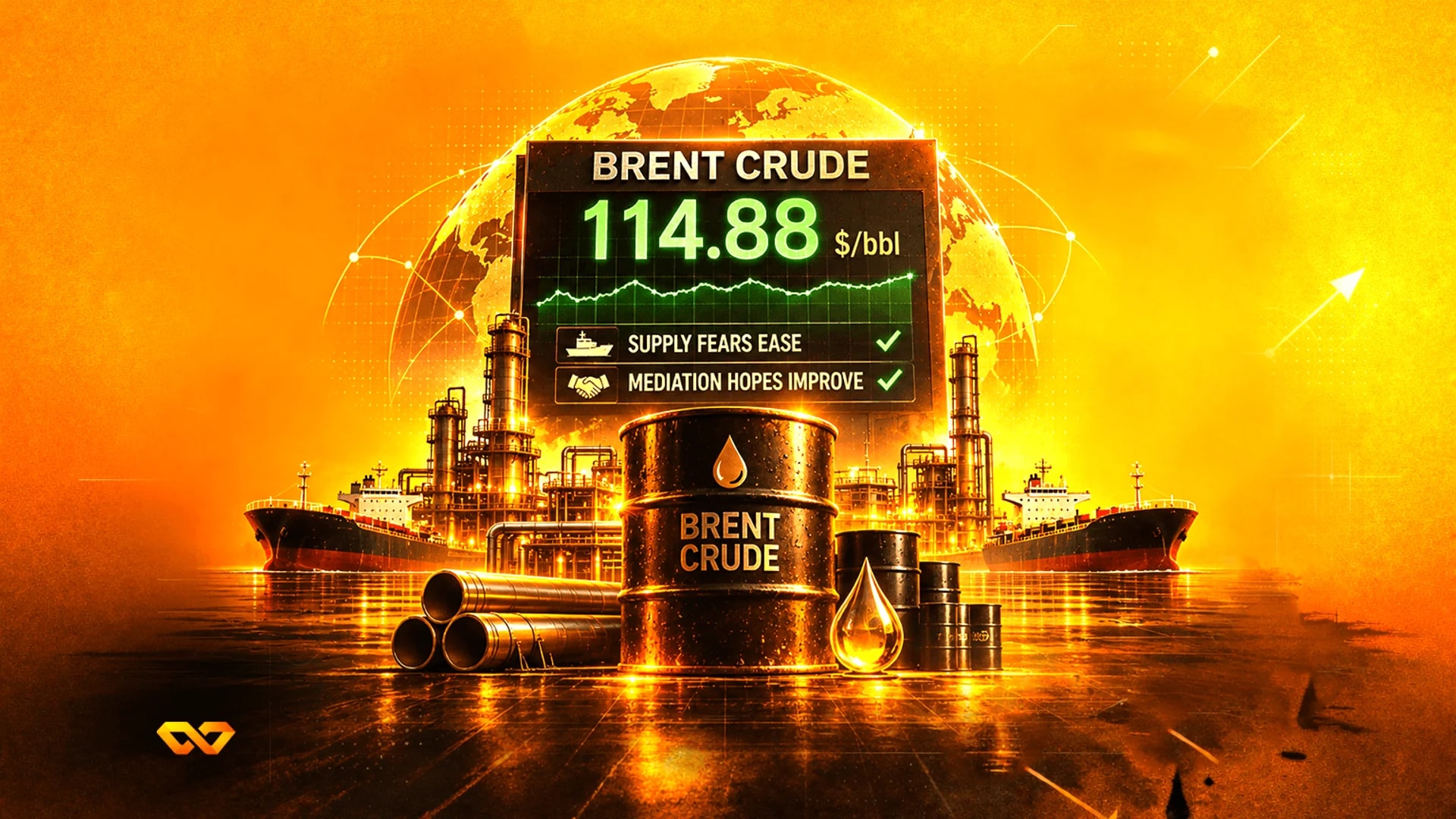
The transit figures underscore the passage’s importance to oil traffic, while market settlements showed a retreat from levels crude had reached days earlier. Brent crude settled down 44 cents, or 0.38%, at $114.88 a barrel on October 29, while West Texas Intermediate fell 78 cents, or 0.76%, to $102, according to Reuters data published by Euronext. Reuters linked the price decline to hopes for peace talks that eased some supply concerns, and a UBS analyst said renewed diplomatic efforts were weighing on prices. But concerns over an escalation in Houthi attacks and the possibility that the Trump administration could launch an attack on Iran after the November 3 midterm elections limited the decline. Brent had risen 3.1% to $116.72 at settlement on October 23; the Associated Press said the U.S. war with Iran had reduced global oil supplies and raised energy costs.
The maritime fallout also includes ships stranded off Sri Lanka after the U.S. blockade resumed. Sri Lankan authorities said 19 vessels were about 24 nautical miles from the coast as of October, with shortages of food, water and fuel. Sri Lanka also provided medical assistance to 40 Iranian sailors from ships anchored near its waters before returning them to Tehran on October 25, without specifying which vessels they had been aboard. In other incidents during October, the UK Maritime Trade Operations agency said projectiles struck a tanker 51 nautical miles north of Qatar’s Al Shamal city on October 8, with reports of casualties. Two cargo ships later sank near the strait in separate incidents; the 21 crew members aboard the “GFS Pride” were evacuated safely, while maritime sources reported the death of one crew member from the “Cape Dow.”
The previous blockade provides additional background to the current briefing: U.S. Central Command said the blockade between April 13 and June 18 redirected more than 140 compliant vessels and disrupted 9 non-compliant vessels. The command also said it allowed more than 50 commercial ships carrying humanitarian aid to pass during that period. That tally differs from the assessment in the current briefing, which focused on Trump’s question about whether the current blockade was achieving its objectives and its effect on oil flows. Published information does not give a specific date for the resumption of negotiations, while mediators await Tehran’s position on the ideas under discussion. The U.S. midterm elections on November 3 are a near-term milestone markets are watching as the dispute over the blockade and negotiating terms continues.