
Brent Falls 7.63% to $104.77 as Washington Confirms Defensive Strikes in Hormuz
Key Facts
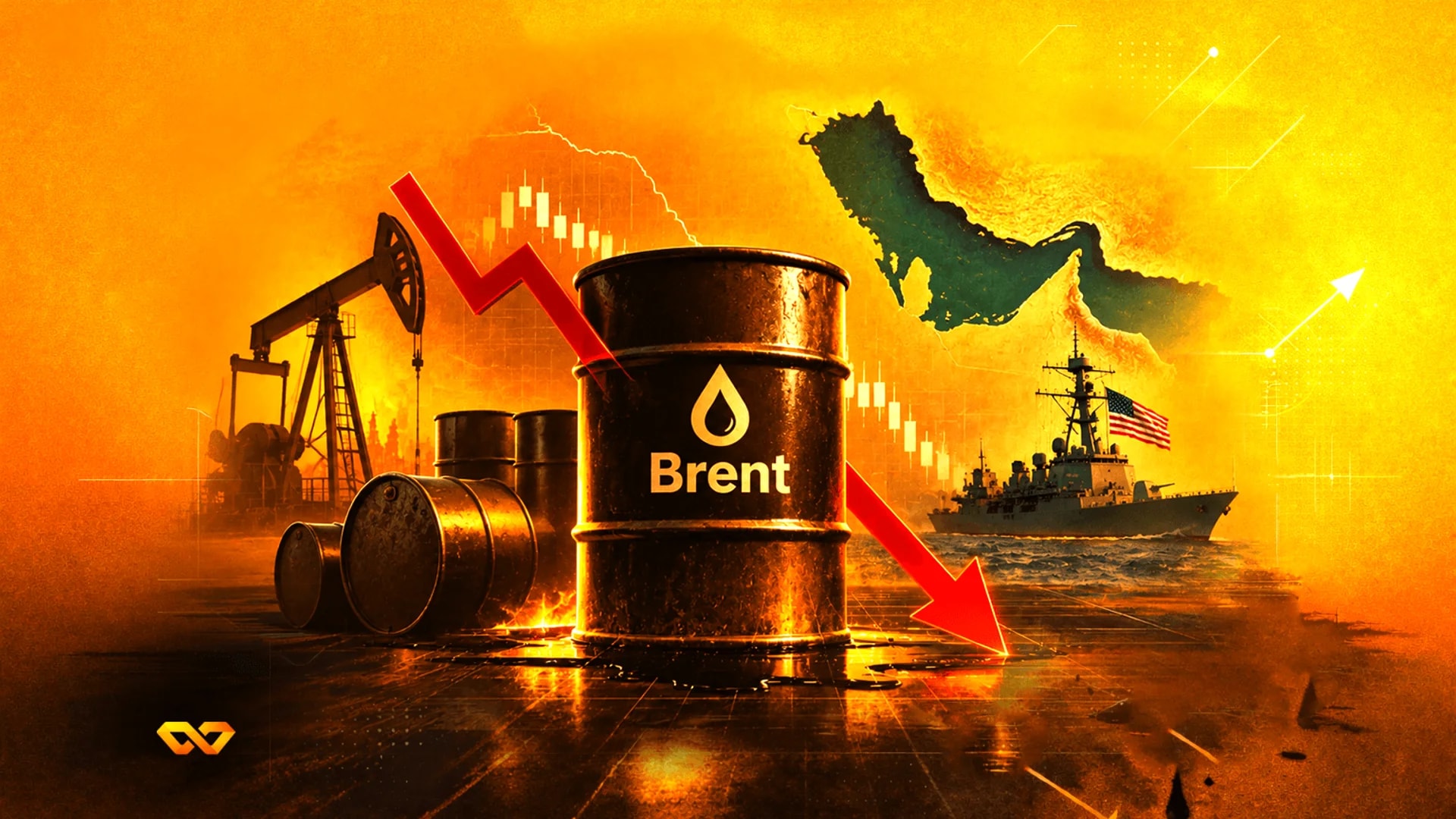
Brent futures fell $8.66, or 7.63%, to $104.77 a barrel at settlement on Monday, November 2, alongside a U.S. official’s confirmation that defensive strikes had been carried out in the Strait of Hormuz. The official said U.S. forces targeted Iranians who were using surface-to-air missiles against U.S. assets. Iranian television reported hearing explosions on Qeshm Island, but the U.S. official did not identify the island as a target of the strikes. The strikes appeared limited, according to the Associated Press, and did not amount to a full return to hostilities. In the same session, West Texas Intermediate fell $7.66, or 7.36%, to $96.46 a barrel.
The Associated Press linked Brent’s decline, which it put at 7.6% in its report, to uncertainty over when the war with Iran would end and global industry return to normal. Reuters reported that prices fell amid hopes talks could lead to an end to the war and stabilize crude supplies from the Middle East. The agency said Brent ended October at its highest level in six months, amid concerns that the conflict could escalate after the U.S. midterm elections scheduled for Tuesday. The most actively traded Brent contract had moved between about $70 and $120 a barrel since shortly before the war began, with rapid reversals in direction, according to the Associated Press. The November 2 decline came within that volatile range, while the safety of shipping and the U.S. blockade of Iranian ports remained among the issues under negotiation.
Tehran said contacts with the United States were continuing to end the eight-month war, after days of talks with Qatari mediators ended with revised proposals but no breakthrough, Reuters reported. The agency added that a revised proposal was circulating after the talks. Iranian Foreign Minister Abbas Araghchi said consultations through mediators were "intensive" and that Iran had presented its terms and proposals, adding that everything depended on "political rationality in Washington." U.S. Vice President J.D. Vance, meanwhile, said Washington and Tehran had held "a number of good conversations" and that he and the president saw opportunities for a negotiated settlement, according to the Associated Press. These positions point to continued contacts while disagreements remain unresolved publicly.
The current mediation framework focuses on a trade in which Iran would stop its attacks in the Strait of Hormuz in return for the United States lifting its blockade of Iranian ports, according to the Associated Press. The agency said Qatari mediators held two rounds with Iranian officials during the previous week, with further rounds planned during the week of November 2, though no dates were specified. Axios reported that U.S. President Donald Trump said he was "in no rush" to decide whether to resume fighting. Trump said he was allowing negotiations to continue while preparing for the possibility of returning to war if he judged an agreement to be impossible. Qatari mediators also drafted an agreement that includes a sequence of confidence-building measures over three days to resume direct negotiations between Washington and Tehran, according to regional sources cited by Axios.
The negotiations take on added importance as maritime tensions in the strait persist. October saw the highest number of attacks on commercial ships in Hormuz since March, while Iran is seeking to increase economic pressure to push the United States to lift its blockade, the Associated Press said. A regional official warned, according to the agency, that further strikes could destabilize the region and prompt the Houthis to intensify attacks on Saudi Arabia and Red Sea shipping. On a parallel regional track, China plans to send a special envoy to Iran, Oman and Saudi Arabia in early to mid-November. China’s foreign ministry spokeswoman said the envoy would focus on reducing tensions and promoting regional stability, as contacts continue over ending the war and containing tensions in Hormuz.