
Nvidia shares fall 14% after Huang’s resignation, amid concern over chip suppliers
Key Facts
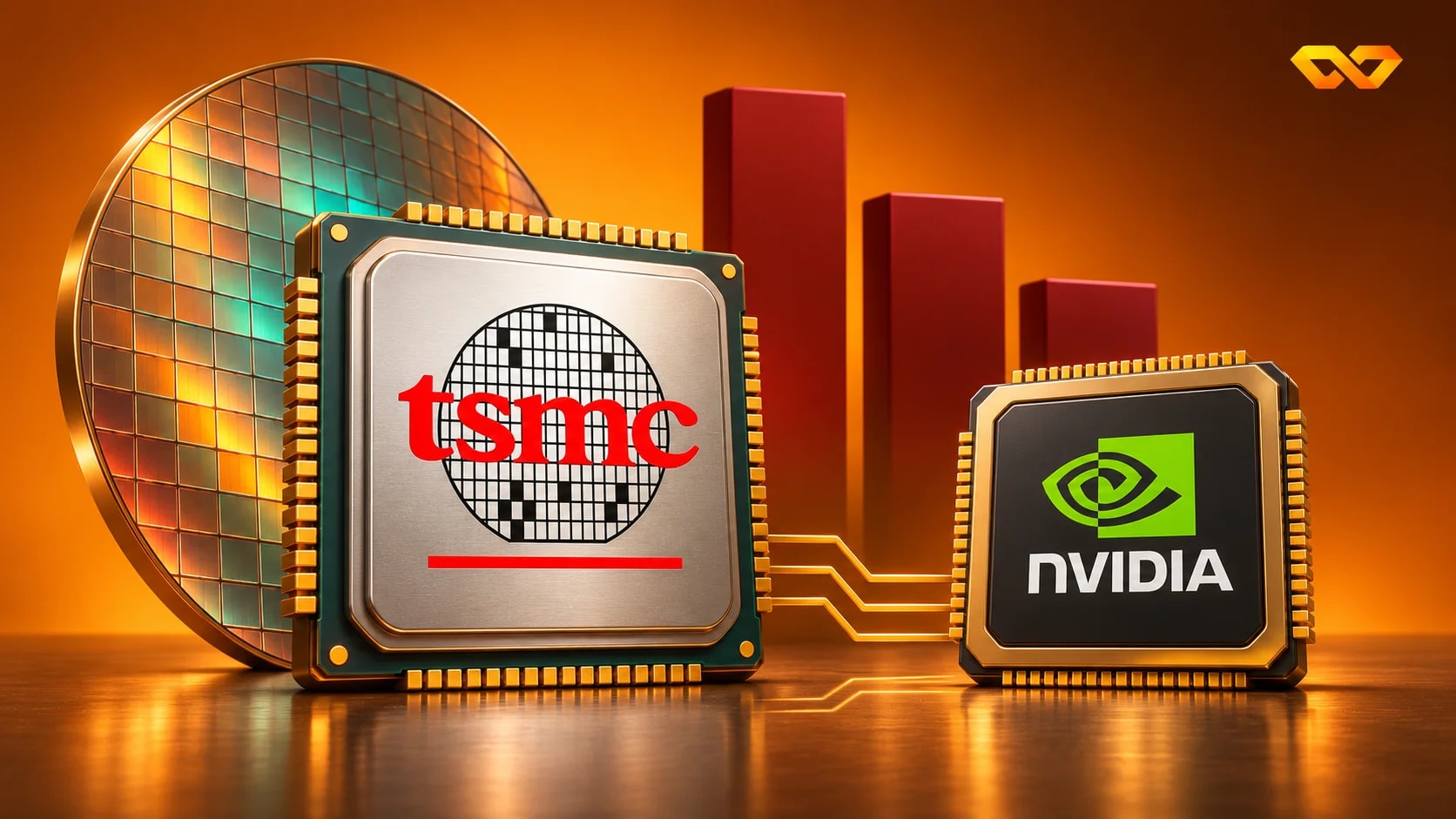
Nvidia shares fell 14% in the Nov. 12 session after the company announced that Jensen Huang had resigned immediately as chairman and CEO and from the board, and named CFO Colette Kress interim CEO. The leadership change raised concerns about its impact on the network of Asian suppliers whose businesses are tied to the company’s demand for chips and AI infrastructure. In Asia trading the same day, Taiwan Semiconductor Manufacturing Co. shares fell about 2%, SK Hynix shares declined 1.6%, while Samsung Electronics shares rose 0.8%, according to Reuters. The moves showed divergent performance across the sector in the session, while Nvidia posted the steepest decline among them, based on available data. The company’s announcement did not directly link the leadership change to movements in its suppliers’ shares.
“We will support any production capacity Nvidia needs, but the new CEO may not be as aggressive as Jensen was,” a Taiwanese supplier company official told Reuters. The comment reflects suppliers’ concerns that the pace of capacity reservations could change if management’s approach changes, without signaling any announced adjustment to production orders. The absence of Huang could slow Nvidia’s bold investments across the AI ecosystem and bilateral infrastructure deals, a Counterpoint Research analyst said. The company’s network in Taiwan includes major manufacturing partners, including Taiwan Semiconductor Manufacturing Co., Foxconn and Wistron, according to Reuters. Huang said in May that Nvidia planned to invest about $150 billion a year in Taiwan.
But Taiwan Semiconductor Manufacturing Co. data showed strong revenue growth ahead of the leadership change at one of its major customers. October revenue reached NT$586.89 billion, up 14.7% from September and 59.7% compared with October 2025. From January to October, revenue reached NT$4,485.62 billion, up 43.3% from the same period a year earlier. In the third quarter, the company posted consolidated revenue of NT$1,494.24 billion and net income of NT$763.06 billion, with diluted earnings per share of NT$29.43. Its board also approved on Nov. 10 investments of up to $500 million in Anthropic common shares at the IPO price, and up to $500 million in OpenAI preferred shares; these are approved investment caps, and the decision did not announce that the share purchases had been completed.
The pressure extended to U.S. stock indexes in Thursday’s session, with the S&P 500 falling 0.35% to 7,592.40 points and the Nasdaq Composite declining 0.39% to 25,366.09 points, according to Reuters. In the same session, AMD and Broadcom shares rose 5.9% and 5.5%, respectively, partly offsetting Nvidia’s losses with gains among competitors. The Associated Press reported that Nvidia shares had lost more than 30% since reaching a record high in October, before falling in the Nov. 12 session. The next day, Taiwan Semiconductor Manufacturing Co. shares rose 0.4%, despite declines in several Asian technology stocks, in a move pointing to a mixed market response after Nvidia’s fall. L7 data shows that the U.S.-listed shares of Taiwan Semiconductor Manufacturing Co. closed at $405.49 on Nov. 12.
The chips Nvidia will ship over the next year or two have already been designed and entered production, and customers’ 2027 spending plans do not depend on who runs the company, an investment manager told Reuters. This assessment places the near-term production schedule apart from management changes, as the board continues its search for permanent leadership. Nvidia said its board had begun searching for a permanent CEO and would consider candidates from inside and outside the company. The company appointed Harvey C. Jones as its first chairman, after he served as CEO and executive chairman at Synopsys. Nvidia set Nov. 17 to announce its fiscal 2027 third-quarter results at about 1:20 p.m. Pacific time, with the earnings call scheduled for 2 p.m.