
Apollo’s £5.7 billion offer puts easyJet on the brink of a change in ownership
Key Facts
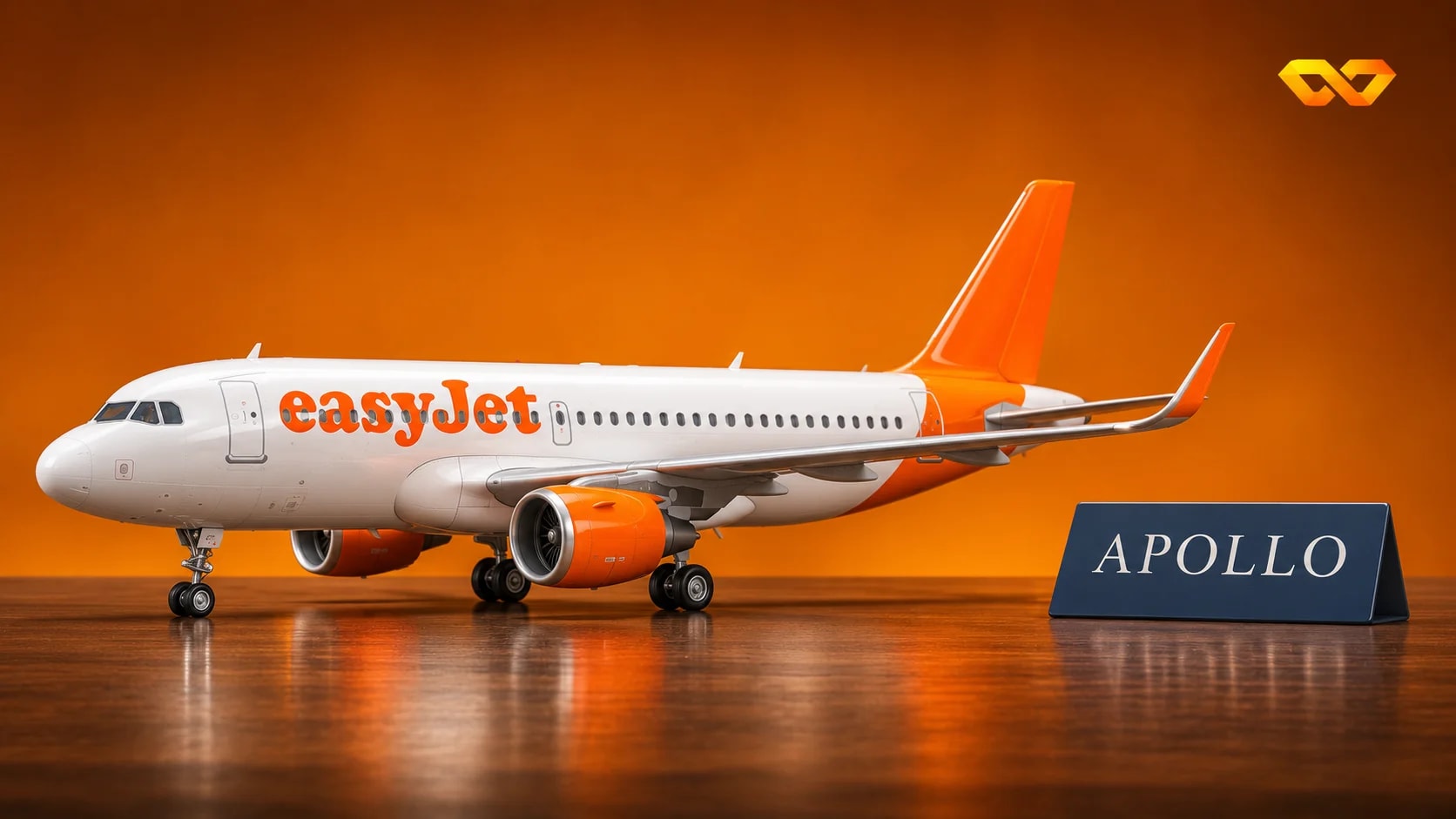
On 6 August 2026, easyJet agreed to the terms of a recommended cash offer from Eagle Bidco, backed by Apollo, of £7.15 per share. The offer valued the company’s issued and to-be-issued ordinary share capital at about £5.7 billion, according to an easyJet statement. On the same day, Castlelake said it did not intend to make a firm offer for the company. The takeover process thus moved from competing bids to an agreement on the terms of the Apollo deal. The company said the offer gave shareholders a premium of about 81% to the share price before takeover speculation began.
Apollo’s offer came after a round of proposals from Castlelake over the summer. easyJet said its board rejected Castlelake’s fourth proposal, at £6.50 per share, on 25 June, saying it undervalued the company. On 5 July, the two parties announced that easyJet’s board was minded to recommend the financial terms of Castlelake’s £6.90-per-share proposal. Apollo then made a higher cash offer on 10 July, before the agreement on its terms was announced in August. According to easyJet, Apollo’s offer represented a premium of about 54% to the share price before the conflict in the Middle East affected the sector.
The deal remains subject to the fulfilment of other conditions, including court approval of the scheme, according to an easyJet disclosure. The company expects the scheme to become effective before the end of the first quarter of 2027, with subsequent developments to be announced through a regulatory information service. easyJet said its UK headquarters and its operating licences in the UK, Austria and Switzerland would remain unchanged after completion of the deal. It also said Apollo’s supported operating plans include continuing to modernise the fleet, developing ancillary products and loyalty programmes, and expanding easyJet Holidays. In the context of ownership arrangements, Reuters said easyJet had suspended voting rights for some shares held by investors from outside the European Union, and that EU persons’ ownership stood at 35.07% at the time of the annual general meeting on 11 November.
The deal faces a potential regulatory review in the European Union, according to Reuters, which reported that officials are preparing to review airline ownership rules to prevent foreign investors from gaining effective control of carriers. The European Works Council warned, according to Reuters, that the deal structure could weaken the company’s resilience and expose employees to risks that had not been addressed. easyJet says the brand will remain in use after completion of the deal, alongside the existing headquarters and operating licences. If the deal is completed, easyJet will leave the London Stock Exchange after more than a quarter-century of trading, according to Reuters. The expected effective date before the end of the first quarter of 2027 remains subject to the fulfilment of the outstanding conditions and court approval.