
Live coverage of the big market-moving stories that run for weeks, such as the third Gulf war, the Strait of Hormuz crisis and the Red Sea. Each event has one page where every related story gathers within minutes of publication, with a "what changed" line for each update, a situation summary refreshed as things develop, the key facts, and how oil, gold and the related stocks have moved since the event began and today. Big events contain smaller ones, each with its own page, so you can follow the whole picture or go into the detail. Below the live coverage are the events that have gathered three or more updates, ordered by their latest development.
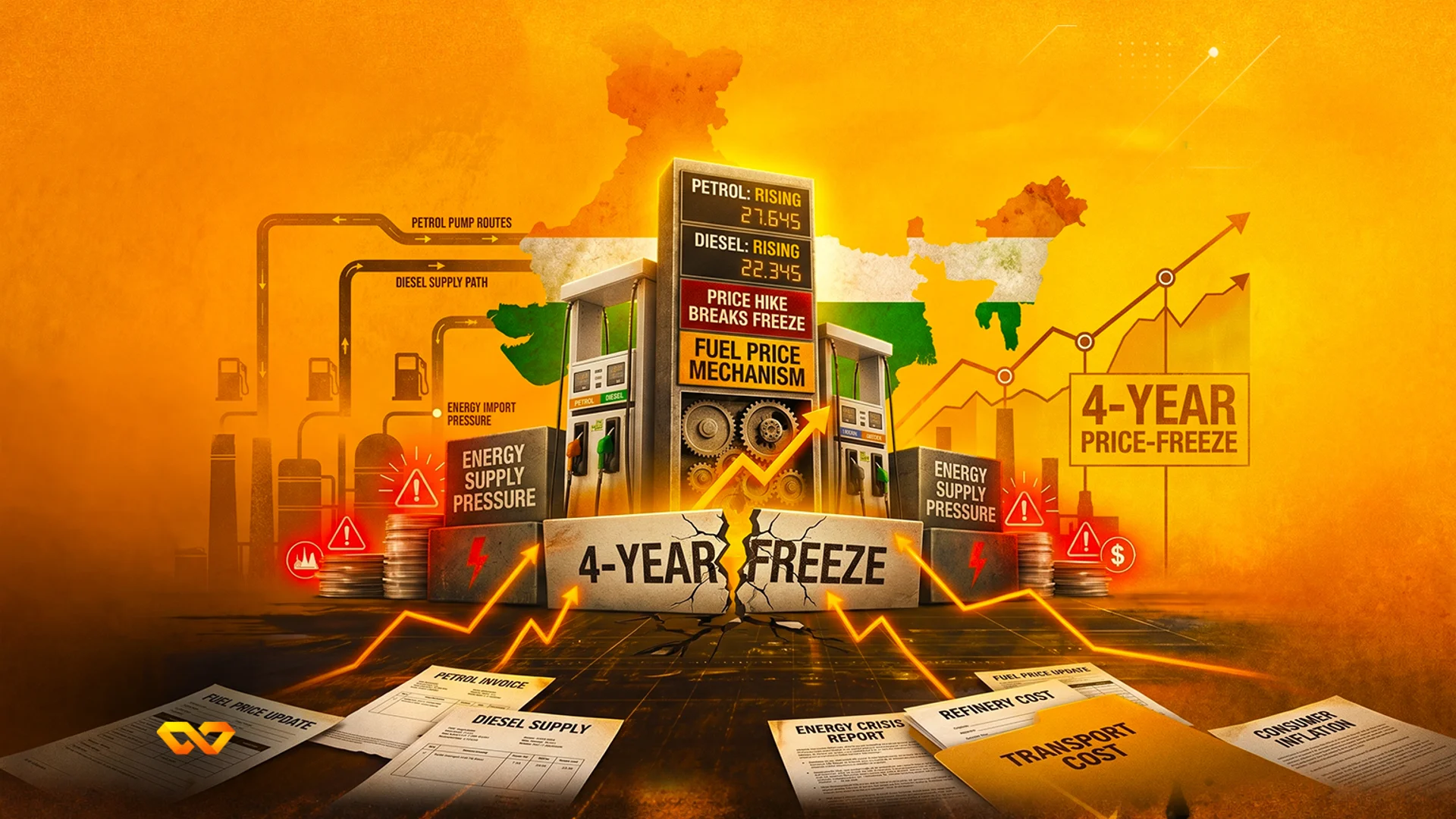
India, the fastest-growing major economy, is facing economic pressures due to rising energy prices from the Iran war, causing the rupee to hit an all-time low. Investors heavily sold Indian assets, and gold prices surged following an increase in import duties. Prime Minister Modi urged citizens to adopt measures to conserve foreign exchange, including limiting travel and working from home.

On May 14, Treasury Secretary Scott Bessent stated that the U.S. will experience significant disinflation following one or two more hot inflation numbers. Bessent's comments come as Kevin Warsh is poised to take over as the chair of the Federal Reserve.
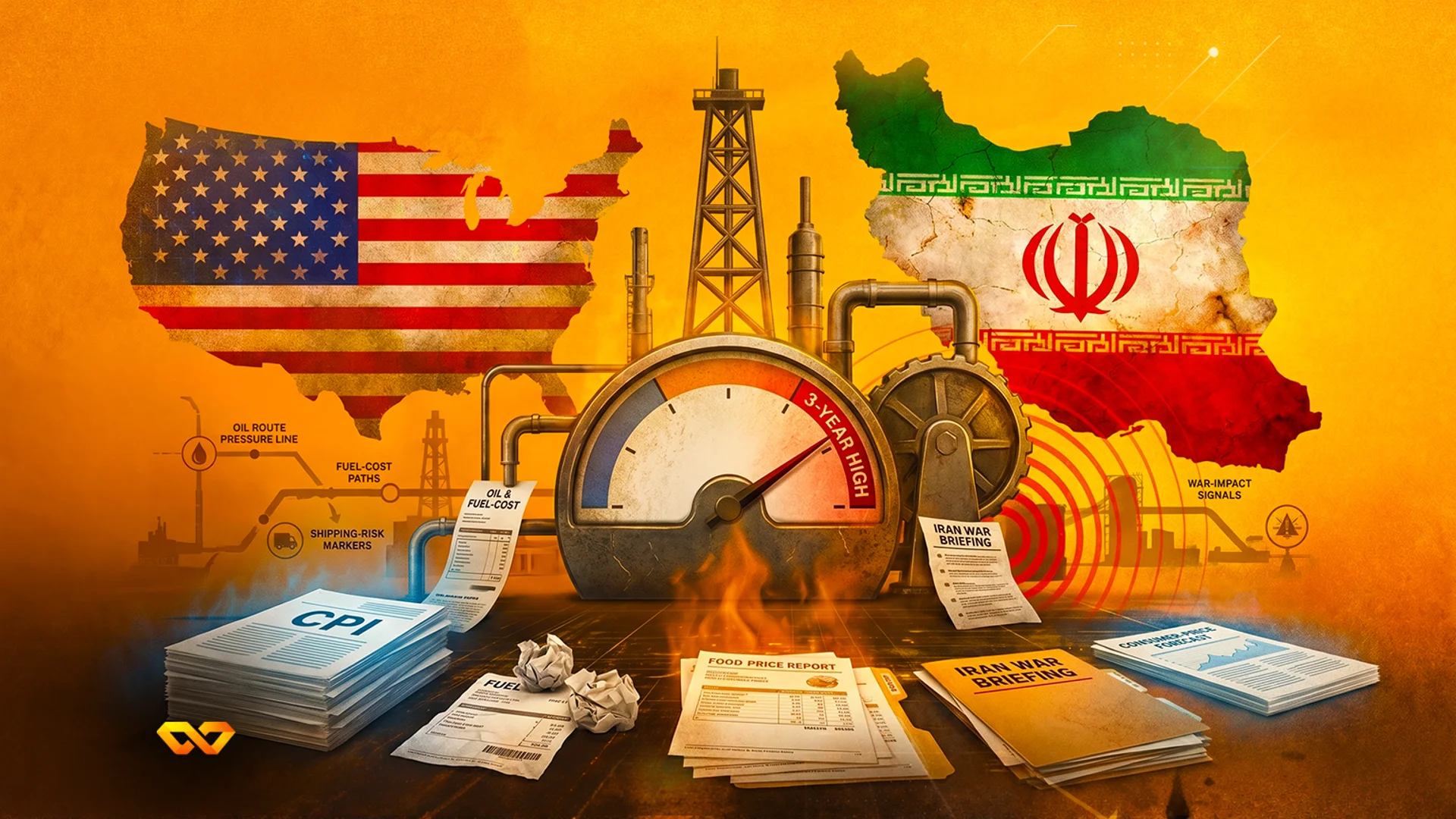
The conflict with Iran is impacting U.S. inflation outlook, with inflation rising to 3.8% due to surging energy costs. On May 13, U.S. Treasury bond yields reached 5%, prompting investors to ditch government debt. Additionally, Goldman Sachs has delayed its Fed cut outlook to December 2026 as the war drives U.S. inflation.
Kalshi is engaged in a legal battle that may reach the U.S. Supreme Court to legalize prediction markets related to elections and sports. Meanwhile, Wisconsin has sued Kalshi and other companies, claiming their prediction market platforms operate illegally. Brazil has shut down 27 prediction market platforms, including Kalshi, due to concerns over their negative impact on households. In the U.S., a rule has been passed barring senators from trading on prediction markets amid rising concerns about insider trading.

Canadian producer prices surged in March, driven by a record increase in energy product prices. The escalation of the Iran war also led to significant price hikes for chemicals and energy products.

The UK services sector has experienced a sharp decline in sentiment due to rising operating costs driven by the Iran conflict. Companies reported significant cost increases and a drop in demand, exacerbating economic pressures. House prices have fallen, and mortgage rates have risen, impacting the market overall.
Morgan Stanley forecasts a major AI breakthrough by 2026, driven by scaling laws. The bank warns that most of the world is not yet prepared for the economic and technical implications of this breakthrough. Meanwhile, major companies like OpenAI and Nvidia continue their massive investments in AI, while firms like JPMorgan and HSBC face challenges due to AI-related fears and its impact on the job market.
Oil prices have surged sharply, surpassing $100 per barrel, threatening Poland's inflation outlook and hindering hopes for rate cuts. On March 23, the National Bank of Poland lowered borrowing costs but indicated that inflation might remain contained. As tensions rise in the Middle East, concerns grow about the impact of rising energy prices on the European economy.
On April 5, the jobs report revealed a stunning hiring surge that shattered expectations. Experts warned that Monday could be a 'difficult day' for the market following this data. Concerns are growing over a private credit crisis looming over Wall Street.

US GDP growth for the fourth quarter was revised down to just 0.7%, while core inflation remained high at 3.1% in January. New home sales collapsed by 17.6% month-over-month, the largest drop since July 2013, with home prices falling 6.8% year-over-year. Expectations indicate that the central bank has not made the desired progress in reducing inflation as hoped.

U.S. mortgage rates have reached a 6-month high, dampening hopes for an affordability boost in the housing market. The increase in rates has been driven by geopolitical instability following the start of the Iran war in late February. However, bond buying by Freddie Mac and Fannie Mae is acting as a buffer, preventing mortgage rates from climbing even higher. Additionally, rate hike odds have surpassed 50% for the first time this cycle.
Mexico's annual inflation rose to 4.63% in the first half of March, surpassing analyst expectations. This marks a significant increase from the 4.13% recorded in late February. Renewed price pressures complicate the monetary policy outlook for Mexico's central bank (Banxico).
On March 24, Moody's downgraded the credit rating of a private credit fund managed by KKR and Future Standard to junk status. The primary reason for the downgrade is the growth of bad loans within the fund. There is also a trend of retail investors rushing to withdraw funds from other major private credit funds like Blackstone and Apollo.