
Live coverage of the big market-moving stories that run for weeks, such as the third Gulf war, the Strait of Hormuz crisis and the Red Sea. Each event has one page where every related story gathers within minutes of publication, with a "what changed" line for each update, a situation summary refreshed as things develop, the key facts, and how oil, gold and the related stocks have moved since the event began and today. Big events contain smaller ones, each with its own page, so you can follow the whole picture or go into the detail. Below the live coverage are the events that have gathered three or more updates, ordered by their latest development.
Oil prices fell nearly 8% on Nov. 2 following reports that Iran proposed a two-day plan to reopen the Strait of Hormuz. As oil prices and bond yields declined, homebuilders, gold miners, and regional banks rallied. Financial markets saw the emergence of what was described as the “Hormuz Peace Trade.”
Expectations have strengthened for the Reserve Bank of Australia to raise its cash rate by 25 basis points to 4.85%, after third-quarter trimmed mean inflation came in at 1.0%, above the RBA’s 0.8% forecast. Thirty-one of 32 economists expect a hike, with Deutsche Bank the sole hold forecast; JPMorgan, HSBC, ING, and Natixis have joined the consensus. ANZ sees a risk of rates reaching 5.10% by December or February, while AMP expects a “hike-and-hold” scenario. The decision is scheduled for Tuesday at 2:30 p.m. AEDT, followed by Governor Michele Bullock’s press conference; data also showed house prices fell for a seventh month in October.
Disney plans to lay off thousands of employees and has asked managers to identify ways to cut budgets by 20% through expense reductions, job eliminations, or both. The company aims to reinvest some of the savings in technology, film and TV programming, theme parks, and its cruise ship business. Some operations, including theme parks, TV networks, and movie studios, are expected to be disproportionately affected; details are expected alongside fiscal Q4 results on November 17, 2026. The moves come amid pressure to deliver double-digit growth in adjusted EPS for the current fiscal year, while the stock remains 44% below its 2021 peak.

The People’s Bank of China will meet with regulators and major banks on Monday to discuss improving a relending program for share buybacks. The meeting follows an 8.5% October decline in the CSI 300, its worst month in over a decade and its 12th consecutive weekly decline. The China Securities Regulatory Commission plans to amend buyback rules, strengthening requirements for purchases intended to defend share prices, with a focus on companies in major indices and leading technology firms. Authorities also issued direct orders to major tech firms, including Unitree and CXMT, to proactively manage their stock prices after a sharp plunge.
South Korea’s KOSPI rose 2.24% to close at 5,859.08 on Nov. 2, recovering from an opening decline of more than 1.5%. Institutional investors led the rebound with net purchases of 1.36 trillion won, while foreign investors recorded net sales of 1.41 trillion won. The market initially followed Wall Street lower after disappointing guidance from Intel and mixed results from major technology companies. Korean chip exports surged 259%, prompting investors to buy semiconductor stocks despite the U.S. market sell-off.
On Nov. 2, Palantir raised its full-year financial outlook. The update followed U.S. commercial revenue surpassing government revenue for the first time. The company also reported a trend of businesses turning away from AI labs to gain more control over their technology.
The US ISM Manufacturing PMI rose to 55.5 in October, above the forecast of 54.7. The production index increased from 56.7 to 59.0, its highest reading since November 2021. The manufacturing sector expanded for a tenth consecutive month, alongside an increase in new orders. The report showed persistent price pressures despite growth in production activity.
Choice Hotels reported third-quarter non-GAAP EPS of $2.33, beating estimates by $0.04, and revenue of $458 million. It raised its full-year 2026 outlook. IDEXX Laboratories' revenue grew 10% to $1.21 billion, surpassing analyst estimates, and it reported EPS of $3.96. IDEXX updated its 2026 revenue guidance; both companies raised their full-year outlooks after strong third-quarter performance.
On November 1, President Trump said the remaining Iranian nuclear sites could be destroyed within 10 minutes. He claimed the US had already crippled Iran’s nuclear program, navy, air force, and anti-aircraft networks. On November 2, he said the US military acted to prevent Iran from acquiring nuclear weapons. He described the resulting rise in oil prices as a very small price to pay for national and global security.
Australian lender Westpac reported a slight increase in its full-year profit, with net profit of $6.8 billion. The result fell short of analyst expectations. Statutory net profit decreased by 1% compared with the previous year. The shortfall against analyst estimates was due to an increase in loan loss provisions.
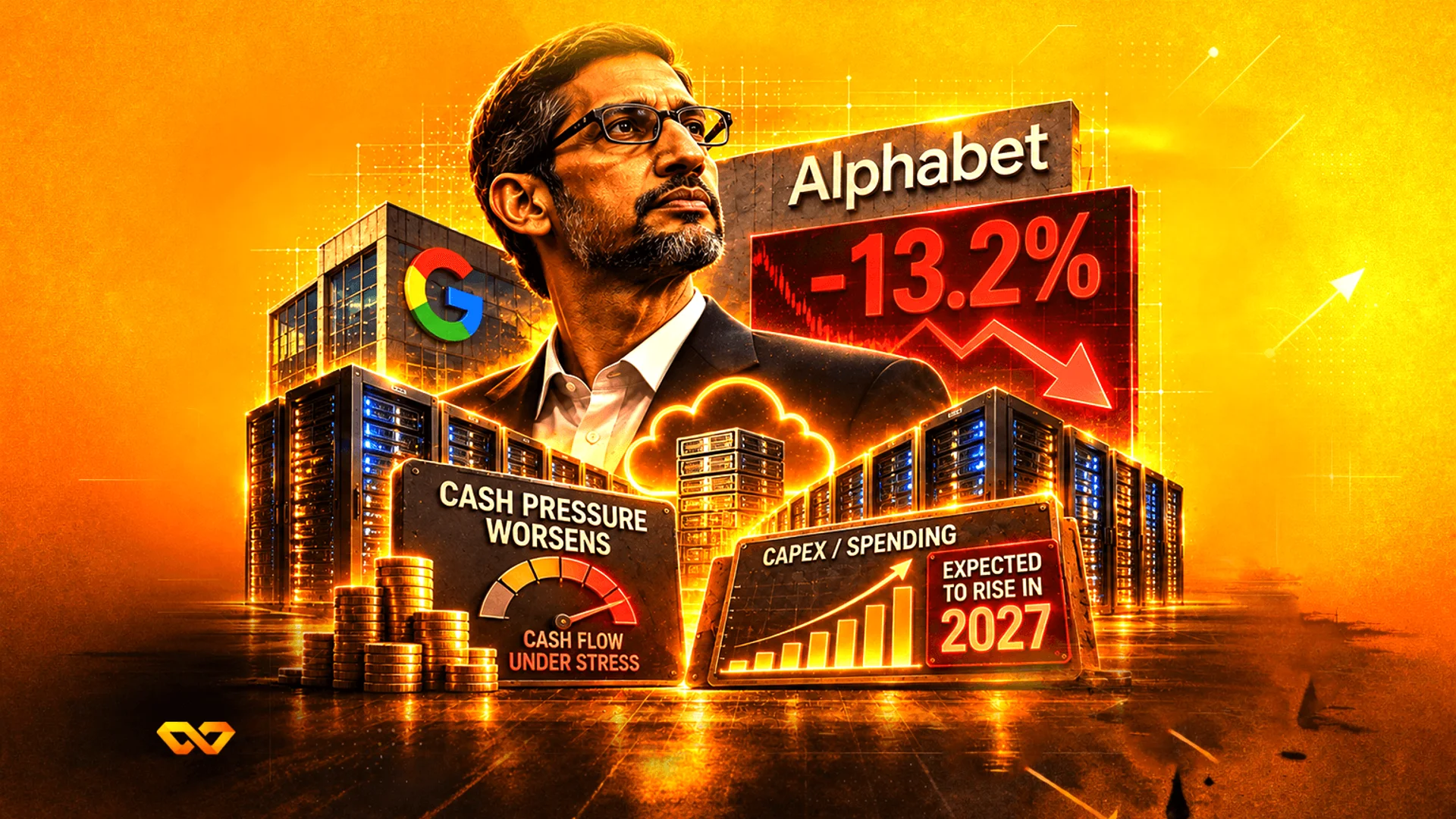
Alphabet's heavy investment in cloud infrastructure has resulted in a larger-than-anticipated cash burn for the third quarter. The company's shares dropped between 7% and 9% in extended trading, and the IVV ETF fell to $773.35 following revenue and earnings misses. Furthermore, the 'Other Bets' segment, including Waymo, recorded operating losses exceeding $2 billion. Waymo generated only $372 million in revenue, accounting for a mere 0.3% of Alphabet's total quarterly revenue.

Strategy Inc. reported a Q3 net income of $20 billion, primarily driven by a $20.9 billion gain from its Bitcoin holdings. Despite the massive earnings, the company's shares fell 2.5% in after-hours trading following the release of its fiscal 2026 results. Executive Chairman Michael Saylor stated that the market is at the start of a new Bitcoin bull cycle, as the company also underwent a transition in its CFO position.
On October 30, the Dow Jones Industrial Average dropped 700 points as selling pressure accelerated during a late-session sell-off. The Nasdaq and S&P 500 indices also plummeted in the final hour of trading, driven by a significant rout in technology stocks. This decline contributed to the Nasdaq recording a 5% loss for the month of October. The market downturn was primarily triggered by the deepening sell-off across the tech sector.
Starbucks reported its fourth-quarter fiscal 2026 financial results on October 29, exceeding analyst estimates for both sales and profits. Despite the positive performance, the company's stock saw a decline during after-hours trading. The report indicates that the company outperformed market expectations for the final quarter of the fiscal year.

On October 22, drone attacks claimed by the Houthi group targeted Saudi Arabia's Shaybah oil field and Dammam airport, resulting in multiple casualties including four deaths. Global oil prices climbed above $110 per barrel following the strikes as market concerns grew over energy infrastructure security. While the Houthis reported broader attacks on strategic sites in Riyadh and Yanbu, Saudi authorities confirmed the specific impacts at Shaybah and Dammam.
On October 29, Mastercard reported a third-quarter profit of $4.63 billion, or $5.28 per share. The company's revenue grew by 14% to reach $9.81 billion during the third quarter. These results highlight the company's financial growth and performance for the period ending in October.
The Nasdaq index closed sharply lower following a significant decline in Alphabet Inc. shares. On October 30, the index fell by nearly 3% as investors rotated capital away from technology stocks. This sell-off in the tech sector, led by Alphabet's sharp slide, created substantial downward pressure on the market.
Investors are focusing on cloud growth at Amazon and Microsoft amid rising AI demand. Microsoft demonstrated strong Azure growth and resilient software performance, while Amazon Web Services (AWS) reported its highest revenue growth in five years, exceeding market expectations for the third quarter. However, Amazon's shares faced pressure following an earnings miss and a significant increase in capital expenditures related to AI infrastructure.
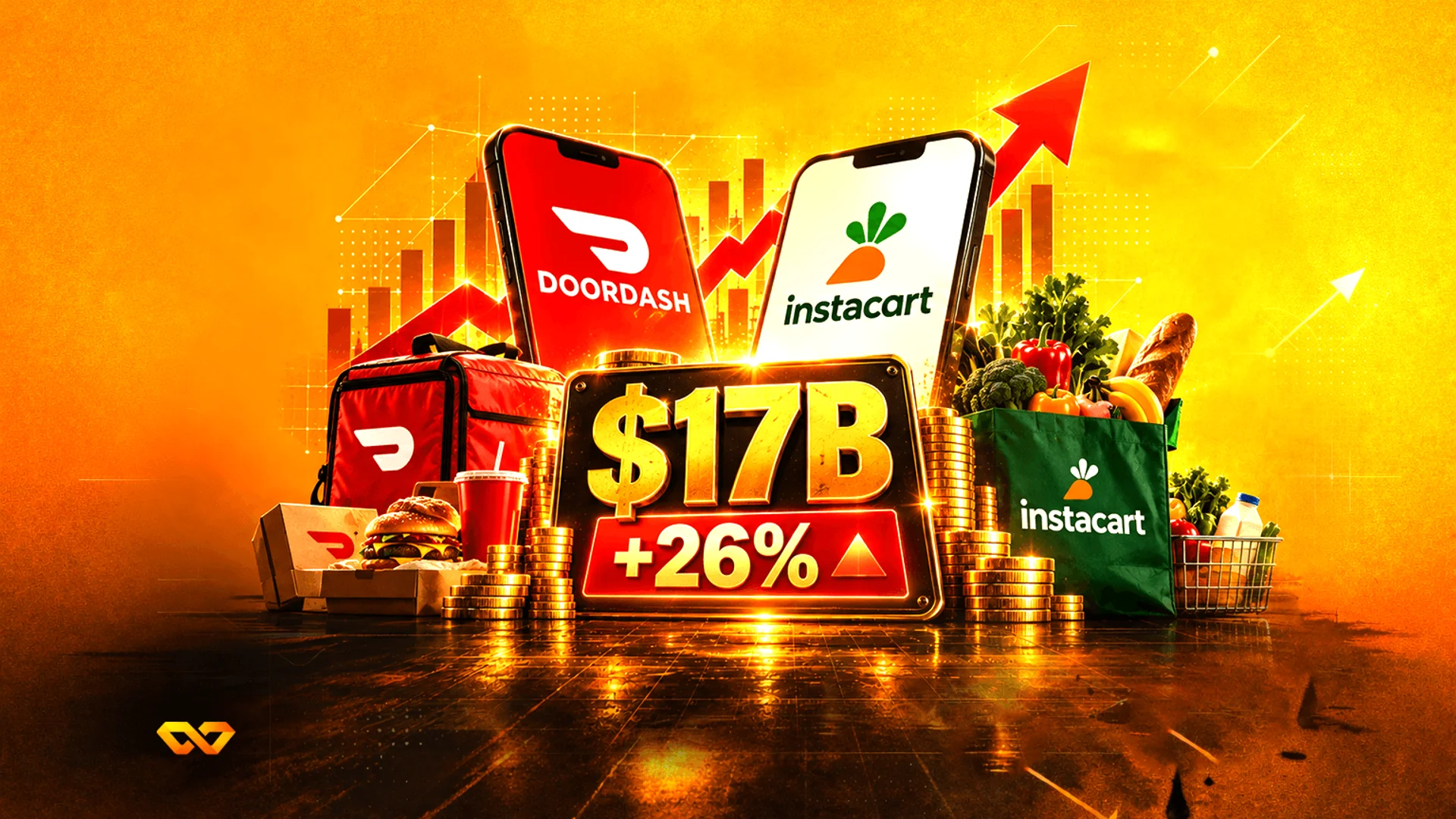
DoorDash reported Q3 earnings of $1.06 per share, surpassing the Zacks Consensus Estimate of $0.82 and showing significant growth from $0.55 per share a year ago. However, New York City Mayor Zohran Mamdani criticized the company's $17 billion plan to acquire Instacart. Mamdani warned that the potential deal could lead to higher prices for consumers and worsened working conditions for employees.
Ukraine has resumed drone strikes on Russian oil refineries, ending a two-week informal pause reportedly requested by the Trump administration to stabilize fuel prices. A significant attack targeted Rosneft’s Novokuybyshevsk refinery, a major facility processing 8.8 million metric tons of crude annually, causing multiple large fires. This escalation occurred despite diplomatic pressure from U.S. officials to halt operations, while ANZ raised its year-end Brent crude forecast to $105 per barrel amid a tightening physical market.
Rio Tinto officially opened the Fénix 1B and Sal de Vida lithium projects in Argentina following a $1.4 billion investment, with first production achieved ahead of schedule in Q2. Meanwhile, the company suspended underground operations at the Oyu Tolgoi copper mine in Mongolia on October 29 following a seismic event and rockfall. By October 30, Rio Tinto was preparing to resume mining activities at the site. These events highlight the company's expansion in the lithium market alongside operational management in its copper division.

Escalating attacks in the Strait of Hormuz have significantly impacted maritime security and global energy markets, with 23 incidents reported in early October alone. While Brent crude prices fluctuated between $114 and $115 amid geopolitical tensions and diplomatic hopes, recent projectile strikes on tankers have heightened regional instability. Conflicting reports between the UKMTO, Iran, and US Central Command regarding the nature of these attacks persist. Consequently, maritime uncertainty has driven VLCC freight rates on key routes to a record $1.33 million per day.

Credit Agricole reported an 11% increase in third-quarter net profit to €1.99 billion, driven by strong performance in fixed-income trading. Sales in fixed-income, currencies, and commodities rose by 8.3%, outperforming industry peers during the period. However, Deputy General Manager Clotilde L'Angevin warned that recent turmoil in France could potentially impact business operations in the coming months.
Adani Group entities reported divergent financial results for the first half of fiscal year 2026-27, with Adani Ports achieving growth in profit and revenue while Adani Enterprises saw a decline in net profit despite higher revenue. Simultaneously, the group is pursuing significant European expansion, including a $3.3 billion binding offer by Adani Ports for Evos Terminals, which operates eight tank terminals. Additionally, the group is considering a 3 billion euro acquisition of the Dutch energy storage firm VTTI, signaling a strategic push into global logistics and storage infrastructure.