EL7.AI
Fed Analysis
StatementsPress ConferenceFOMC MinutesSEP & Dot PlotBeige Book
ECB Analysis
DecisionsPress ConferenceProjectionsAccounts
BOE Analysis
DecisionsRatesPress ConferenceMinutes
BOJ Analysis
DecisionsRatesPress ConferenceMinutes
RBA Analysis
DecisionsEconomic ProjectionsPress ConferenceMinutesRatesSpeeches
RBNZ Analysis
DecisionsRatesStatementsPress ConferencesMinutesSpeechesCalendar
Markets
ForexCryptoCrypto Data TerminalBitcoin 360Ethereum 360Solana 360ETFsIndices
US Stocks
StocksSectorsIndustriesStock ScreenerInsider TradingCongress TradesAnalyst Forecasts
Gold
PricesETF HoldingsMacro Indicators
Oil Data
OPECEIAIEACalendar
ChartsNew
Strategy BuilderDesign a strategy and test it on real dataStrategy LibraryTested strategies and their stored results
COT
LiveThe news feed, minute by minuteEL7 WireShort breaking headlines within secondsReportsDaily and weekly market digestsEventsThe big stories and how they develop
ResearchMCP
Economic CalendarEconomic releases, forecasts and actual resultsEarnings CalendarCompany results dates and analyst estimates
We use cookiesPrivacy Policy
Chat with us on WhatsApp
...
EL7 Research · Energy and Equities
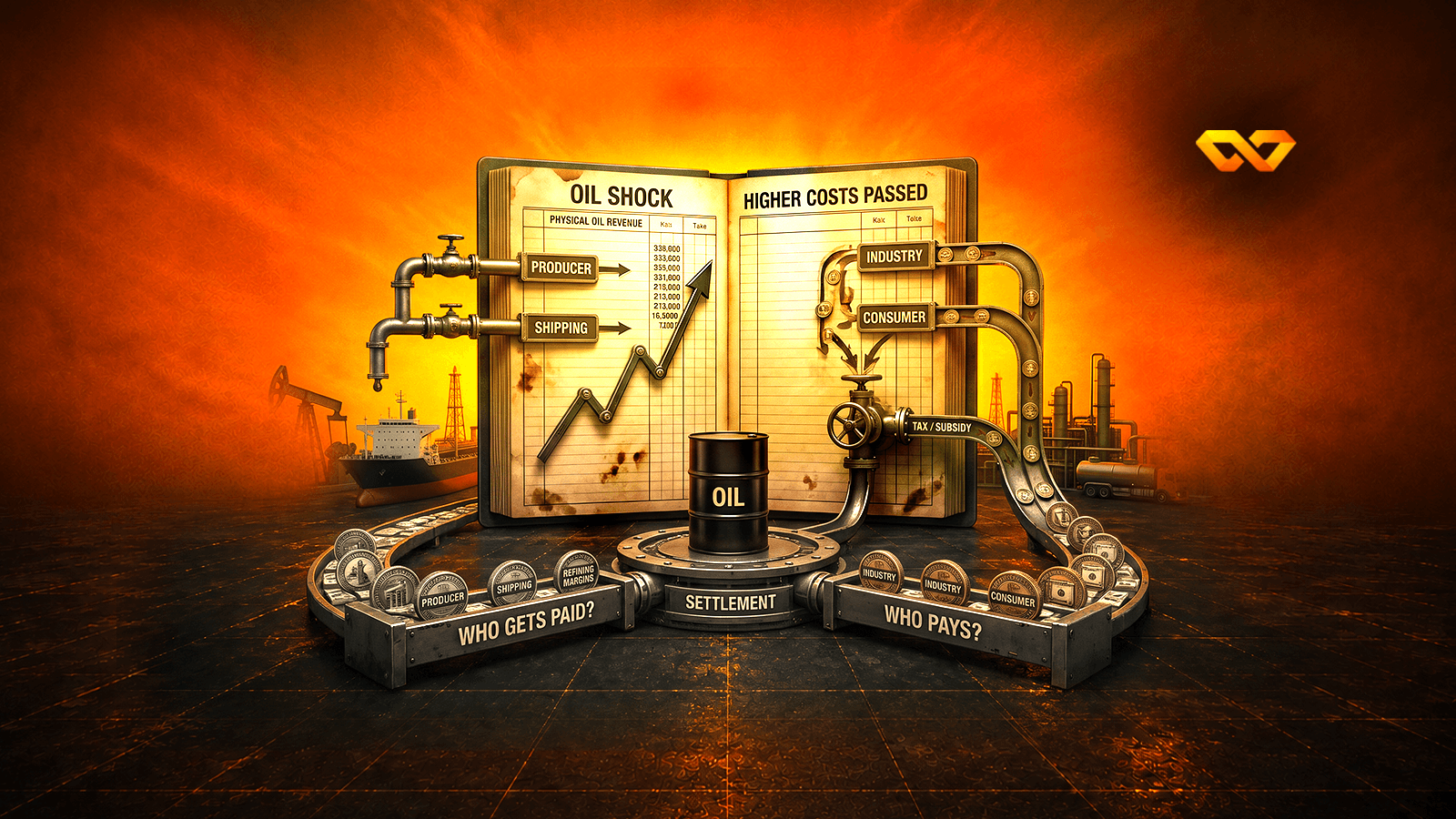
دفتر حسابات مفتوح يقابل صفحة إيرادات المنتجين بصفحة انتقال التكلفة إلى الصناعة والمستهلك، وبينهما برميل نفط وأنابيب تسوية.

The oil-shock ledger: who gets paid and who pays?

Monday 11 August 2026 • sixth month of the Strait of Hormuz closure

Executive summary

  • The Hormuz war is not simply “bad for markets” — it is the largest redistribution of wealth between sectors since the pandemic. Brent was above 84$ on Monday for a third rising session (+38% year to date), while WTI exceeded 80$ for the first time in weeks.
  • The biggest winner is geographic, not operational: Petrobras nearly doubled net profit (+97% to ~10.2 billion dollars) because every Brazilian barrel sells at crisis prices without passing through the affected area.
  • Scarcity creates margin: Marathon Petroleum doubled its refining margin to 36.33$ per barrel and posted its highest profit in 4 years (5.1 billion dollars) — because refined fuel tightened faster than crude itself.
  • The risk itself has become a commodity: VLCC freight rates reached 423,736$ per day (the highest since records began in 2005), and war-insurance premiums rose by as much as 40 times.
  • The bill is paid by consumers (gasoline at 4.09$ per gallon), aviation (tickets +26.5% year on year), the Gulf (exports held hostage and Jazan refinery offline), and Washington (strategic reserves at their lowest since 1983).
  • Accuracy note: Geico’s −45% decline, which led the same ticker tape, is a claims-inflation story, not an oil story — we have included it in the ledger while explicitly separating it.

November
4/4
Free papers this month · of 4
Renews 1 December
Keep reading for free

Create a free account and read this paper in full

A free account gives you 4 full research papers every month. Or subscribe to EL7 Pro for full access to more than 300 papers.

Create a free account

$700 per year · or $99 per month

EL7.AIEL7.AI

AI Financial Intelligence
Professional analysis of central bank decisions

© 2026 EL7.AI. All rights reserved.

Markets

  • News
  • Forex
  • Stocks
  • Crypto
  • Gold
  • Commodities
  • Indices
  • ETFs

Analysis

  • Fed
  • ECB
  • COT
  • Economic Calendar

Learn

  • Service Guide
  • MCP Server
  • Oil

Company

  • About
  • Contact
  • Data Methodology
  • AI Disclosure
  • Pricing
  • Enterprise
  • Terms
  • Privacy
  • Security
  • WhatsApp
Status data is currently unavailable

The information provided on EL7.AI is for educational and informational purposes only and does not constitute financial advice.